
Thilakkumar S
Posted on Feb 11, 2026
Microcontroller-Based Cybersecurity Tools: Flipper Zero and Similar Devices
As cybersecurity evolves, the focus is no longer limited to software vulnerabilities and network attacks. With the rapid expansion of Internet of Things (IoT), wireless communication protocols, and embedded systems, hardware-level security testing has become a critical part of modern cybersecurity practices.
Microcontroller-based security tools allow researchers to interact directly with physical signals, wireless frequencies, and hardware interfaces. These devices are widely used in penetration testing, red teaming, IoT research, and embedded system security analysis.
This article provides a technical overview of Flipper Zero and other similar cybersecurity devices.
Flipper Zero: Portable Multi-Protocol Security Tool

Flipper Zero is a compact, microcontroller-based embedded security device designed to interact with various wireless and hardware communication protocols.
Core Technical Components
- Sub-GHz RF communication
- RFID (125 kHz)
- NFC (13.56 MHz)
- Infrared signals
- GPIO hardware interface
- Bluetooth Low Energy
- Expandable via external modules
Typical Security Applications
- RF signal capture and replay testing
- RFID and NFC card emulation
- Infrared remote signal cloning
- GPIO-based hardware debugging
- Basic IoT penetration testing
Hak5 WiFi Pineapple: Wireless Penetration Testing Platform
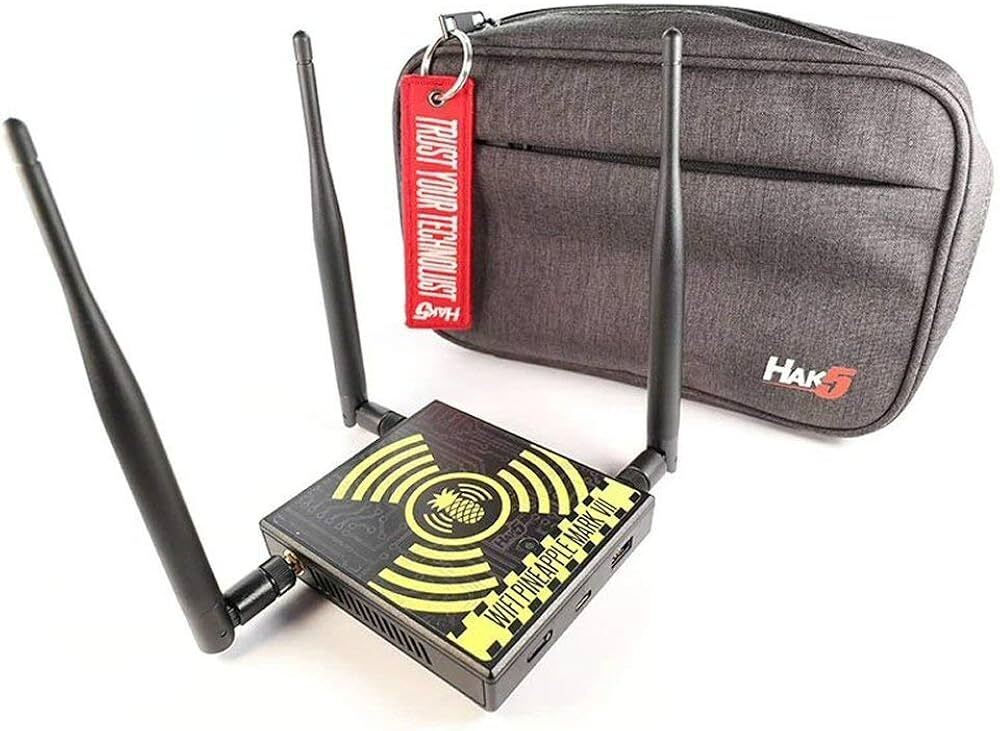
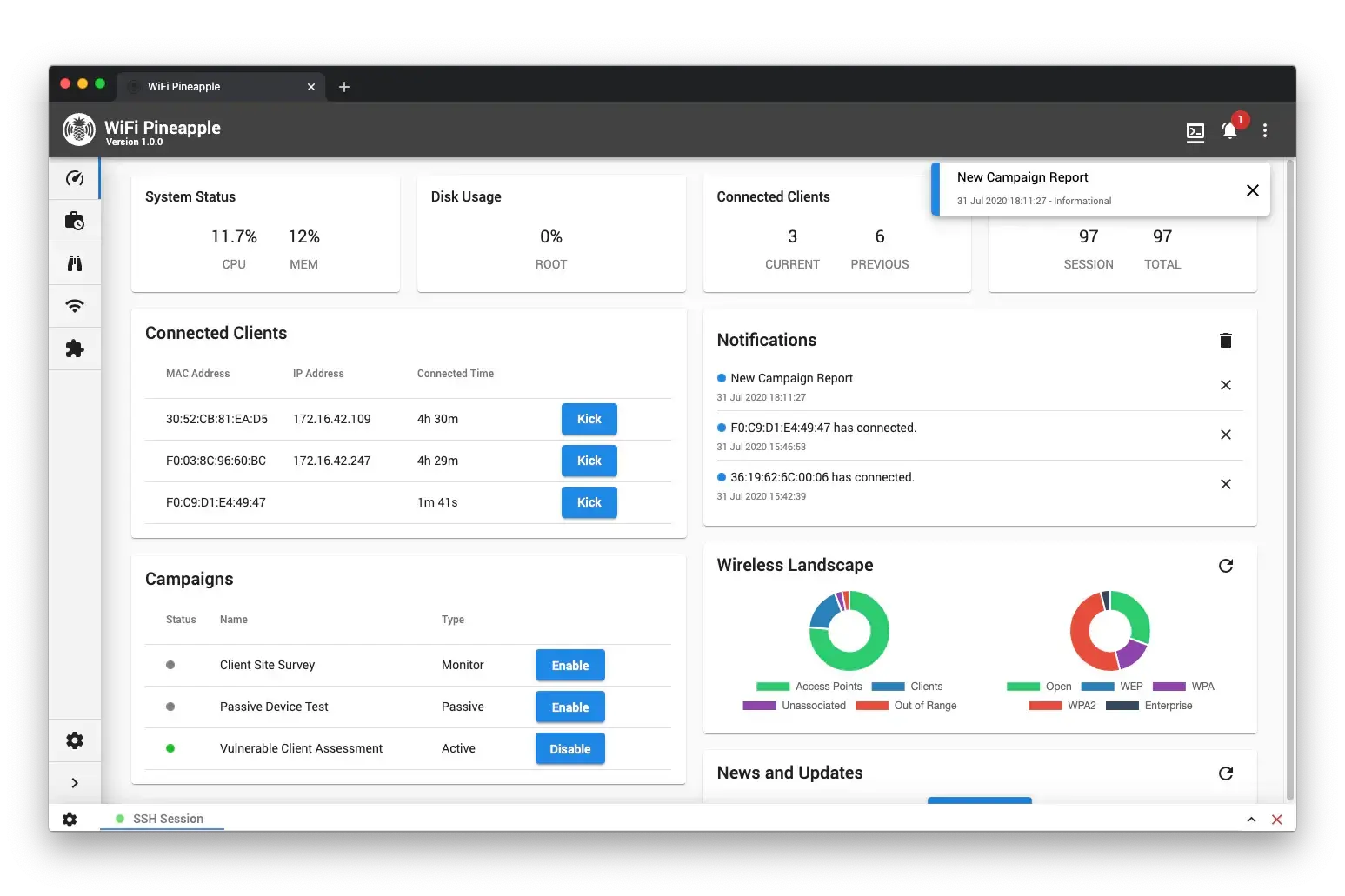
The WiFi Pineapple is a specialized wireless auditing platform designed for professional Wi-Fi penetration testing.
Technical Capabilities
- Rogue access point deployment
- Evil Twin attack simulation
- Packet capture and traffic analysis
- Credential harvesting modules
- Web-based management interface
Primary Use Cases
- Enterprise Wi-Fi security assessments
- Wireless intrusion simulations
- Red team operations
USB Rubber Ducky
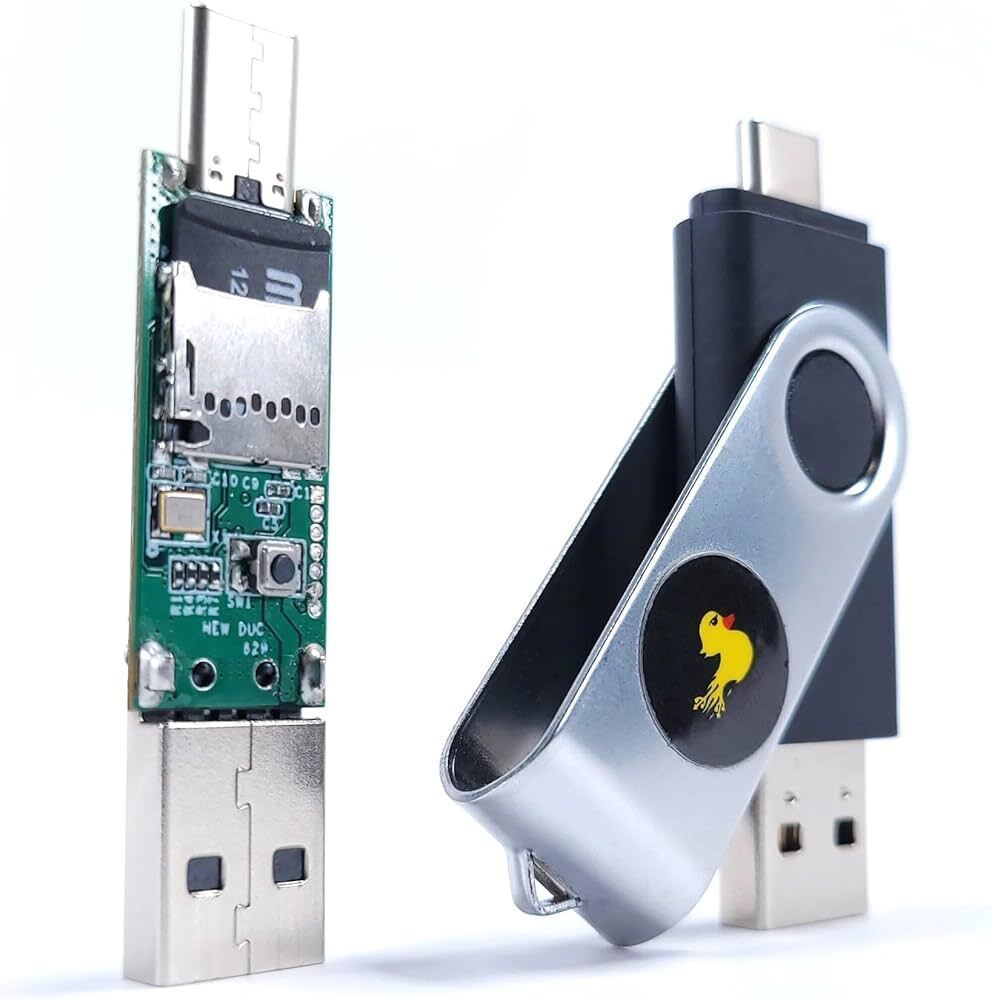
USB Rubber Ducky is a Human Interface Device (HID) attack platform that emulates a USB keyboard.
Technical Features
- HID keyboard emulation
- Scripted payload execution
- High-speed keystroke injection
- Cross-platform compatibility
Security Testing Uses
- Physical penetration testing
- Social engineering attack simulations
- Endpoint security assessments
Proxmark3: Advanced RFID and NFC Research Tool
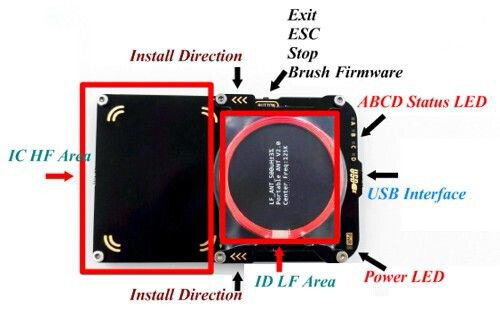
The Proxmark3 is a professional-grade RFID and NFC analysis platform widely used in hardware security research.
Technical Capabilities
- Support for 125 kHz LF and 13.56 MHz HF RFID systems
- Tag sniffing and protocol decoding
- Card emulation and cloning (in authorized environments)
- Cryptographic protocol research features
Use Cases
- Access control system auditing
- Smart card security analysis
- Contactless protocol research
Key Cybersecurity Domains
1. Wireless Security
- Wi-Fi network auditing
- Bluetooth analysis
- RFID and NFC testing
- Sub-GHz IoT protocol research
2. Physical Penetration Testing
- USB HID attack simulations
- Access card cloning tests
- Hardware interface exploitation
3. Embedded and IoT Security
- UART, SPI, and I²C debugging
- Firmware extraction
- Hardware reverse engineering
Limitations and Drawbacks
- Limited processing power
- Legal and regulatory restrictions
- Steep learning curve
- Not fully automated tools
- Improved modern security mechanisms
Conclusion
Microcontroller-based cybersecurity tools such as Flipper Zero, WiFi Pineapple, Proxmark3, and HackRF One play a crucial role in hardware and wireless security research. They provide direct interaction with physical communication layers, allowing security professionals to identify vulnerabilities in embedded systems and wireless protocols.
As IoT adoption continues to grow, expertise in hardware-level cybersecurity will become increasingly important for penetration testers, embedded engineers, and security researchers.