
Thilakkumar S
Posted on Feb 12, 2026
Choosing the Right IR Module for an ESP32 Flipper-Style Project
In many DIY cybersecurity and embedded electronics projects, the Flipper Zero is well known for its ability to capture and transmit infrared (IR) signals. But what if you want to build a low-cost, IR-capable device using an ESP32 instead?
This article explains how different IR modules work, what features are required for remote-style communication, and why choosing the correct module is essential when building a Flipper-style IR system.
Understanding IR Modules
Infrared (IR) modules are commonly used for:
- Receiving signals from remote controls
- Transmitting IR commands to devices
- Detecting nearby objects or surfaces
Although these modules all use infrared light, they are designed for very different tasks.
Why the HW-201 Cannot Replace a Flipper-Style IR Module
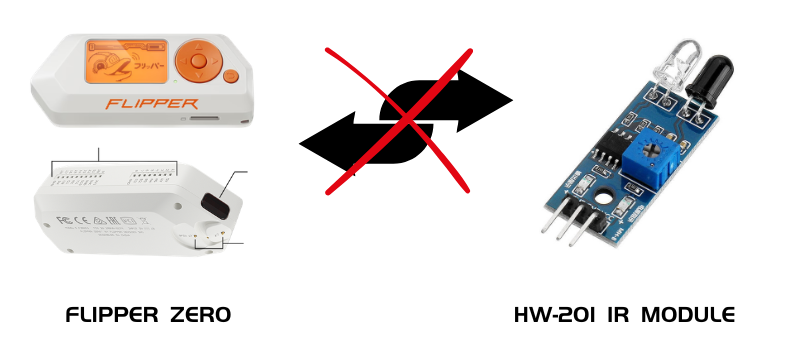
The HW-201 is a short-range obstacle detection sensor.
- Cannot read IR remote protocols
- Cannot transmit IR commands
- Only detects object presence
Typical range: 2 cm – 30 cm
Requirements of a Flipper-Style IR System
| Receive IR signals | ✔ |
| Transmit IR signals | ✔ |
| Decode protocols | ✔ |
| Store commands | ✔ |
| Screen interface | Optional |
Correct DIY IR Using ESP32
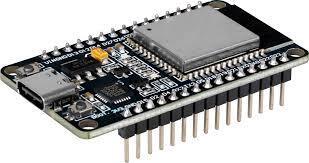
- ESP32 development board
- 38 kHz IR receiver
- 38 kHz IR transmitter
Recommended Single IR Module
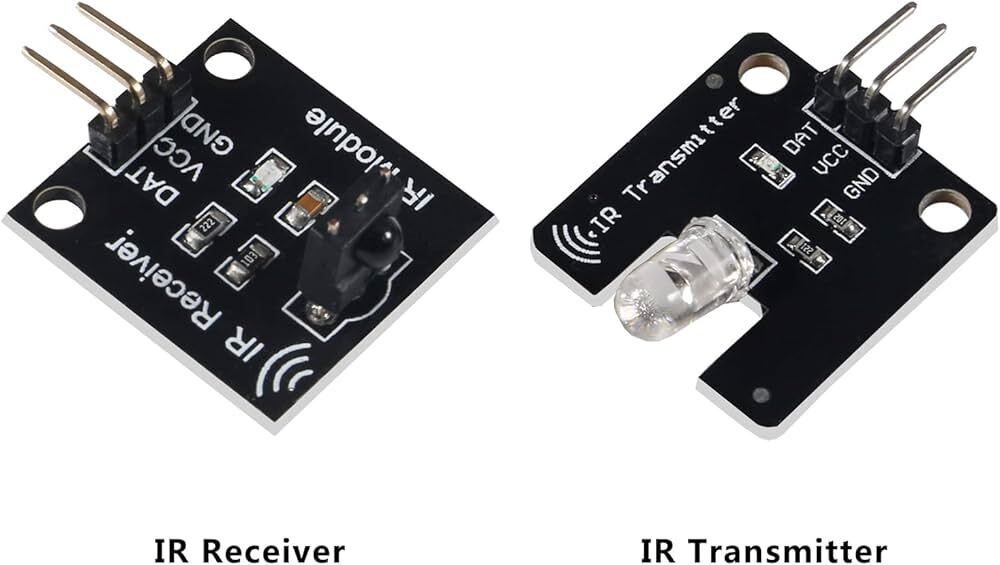
A 38 kHz IR transmitter + receiver combo module is the best option for Flipper-style projects.
Final Recommendation
Use a 38 kHz IR Transmitter and Receiver Module with an ESP32 for reliable IR capture and replay.